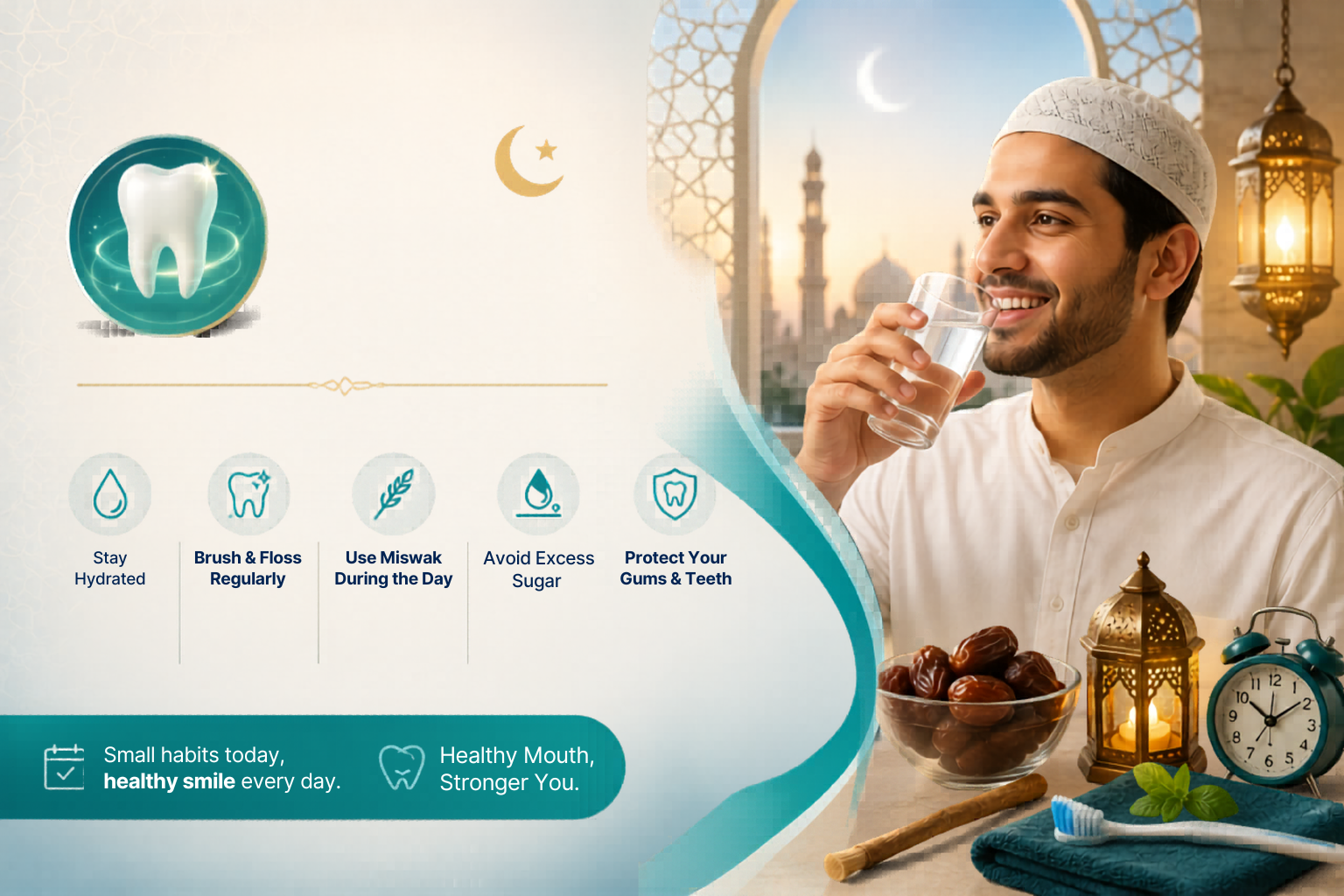
Fasting is not just spiritually rewarding.
It may also be quietly doing your mouth a favor too.
When you fast, your body reduces inflammation, including that in your gums.
Research suggests that fasting can lower inflammatory marker levels in the body, giving your gum tissue a chance to recover from the daily assault of food, bacteria, and sugar 1.
For people with early gum disease, fasting can actually be a reset if they pair it with proper oral hygiene during the non-fasting hours.
There is also growing evidence that fasting gives the gut microbiome a break, and a healthier gut is linked to a healthier oral environment 2. Less acid. Less bacterial overgrowth. A more balanced mouth overall.
And there is another benefit people rarely think about:
Long hours without food also mean fewer opportunities for sugar to sit on your teeth.
Every time you eat, bacteria in the mouth produce acids for about 20 to 30 minutes afterwards. During Ramadan, this cycle occurs only twice a day, at Sehri and Iftar, rather than continuously throughout the day. That is a meaningful reduction in acid exposure for your enamel.
Fast well, eat mindfully, and your teeth may actually get a longer break from acid attacks than in any other month of the year.
But the question is, what happens if you fast without proper oral care?
So, let's consider a case.
Ahmed fasts every Ramadan, but oral care is never really a priority for him. Forgets to brush his teeth regularly, doesn’t floss, and eats junk food all through Sehri and Iftar.
As a result of this, when he fasts, he feels something is different.
By the third week of Ramadan, his breath had become unbearable. His gums felt sore. His mouth felt so dry that speaking became uncomfortable.

He assumed it was just because of fasting.
But the problem wasn’t fasting.
He didn’t think about it a lot and continued with his daily life.
Ahmed had unintentionally been neglecting his oral health during fasting, and his mouth was paying the price.
The good news?
All of it was completely preventable.
Why does your mouth feel different while fasting
Fasting for 14 to 16 hours changes a lot inside your mouth.
Saliva is your mouth's natural defense. It washes away bacteria, neutralises acids, and keeps your gums and teeth protected.
When you stop eating and drinking, saliva production drops significantly. Less saliva means more bacteria. More bacteria means more plaque. And more plaque? That’s when bad breath, gum problems, and cavities start showing up.
But this is not a reason to skip fasting! It is simply a reason to be smarter about your oral care routine when you fast.
Bad breath during fasting: the real cause
Almost everyone experiences bad breath while fasting. It is one of the most common complaints dentists hear.
And no, it is not always “just because you’re fasting.”
It usually happens because the mouth dries out, bacteria multiply, and food particles left from Sehri break down slowly over hours.
The solution is simple, but it requires consistency.
Brush your teeth after Sehri. Every single day.
Use a tongue cleaner. The tongue holds more bacteria than your teeth.
Rinse with a non-alcoholic mouthwash. Alcohol-based ones make dryness worse.
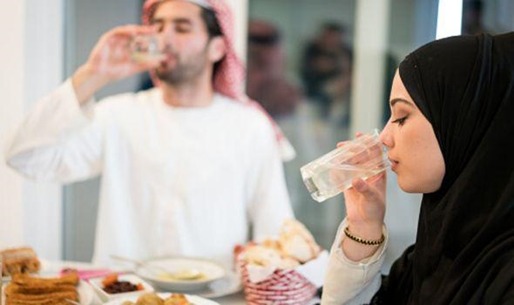
Drink as much water as you can between Iftar and Sehri to keep yourself hydrated.
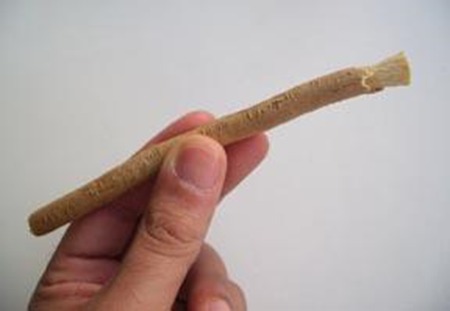
And most importantly, use miswak during your fasting hours.
Your Iftar table is beautiful, but it may be tough on your teeth
Let's be honest about the Iftar spread.
Fried food, juices loaded with sugar, high-carb diet, and whatnot.
After 14 hours of fasting, your mouth is already dry and vulnerable. Then suddenly, we hit it with a wave of sugar and refined carbohydrates all at once.
Bacteria in the mouth feed on sugar and release acids. Those acids attack tooth enamel. This is one reason many people notice new cavities after Ramadan.
This does not mean you stop enjoying Iftar. It means being a little thoughtful.
A few simple habits that can help:
Start with water and dates. Dates are natural and less processed than most iftar sweets.
Limit fizzy drinks. They are acidic and strip enamel fast.
Rinse your mouth with water after eating sweet items if brushing is not possible right away.
Don't go to sleep immediately after eating. Give your mouth time, then brush.
Gum health: the silent problem
Dehydration during fasting can also cause your gums to become inflamed.
If your gums bleed when you brush, that is not normal.
It is a sign of gum disease.
Flossing once a day, ideally after Iftar, removes food and plaque from areas where your brush cannot reach.
It takes only a couple of minutes, but it makes a significant difference.
The Sehri mistake most people make
Most people brush before Sehri.
Then they eat… and go straight to sleep.
Unfortunately, that is one of the worst things you can do for your teeth.
Food particles and bacteria remain in your mouth for the entire fasting day, giving bacteria hours to thrive undisturbed.
Brush after Sehri. Not before!
It is a small habit change, but the impact will be significant.
Your fasting oral health checklist
Brush after Sehri, not before.
Brush again after Iftar before sleeping.
Floss once daily.
Clean your tongue every day.
Use a non-alcoholic mouthwash.
Drink plenty of water between Iftar and Sehri.
Reduce sugary drinks and sweets where you can.
The takeaway
Fasting reflects discipline, patience and self-control.
You are already making conscious choices about what you eat and drink.
Your oral health deserves that same attention, too.
Because a healthy Ramadan should include a healthy mouth as well.
References:
1. Parveen, S., Bakri, M. M. H., Khan, S. S., Vempalli, S., Preethanath, R. S., Alam, M. N., Mansy, M. H., Osman, H. A., Homeida, H. E., Mostafa, A. M. A., & Yagoob, S. I. (2026). Dietary patterns and intermittent fasting as modulators of the oral microbiome and periodontal inflammation: A narrative review. Biomedical & Pharmacology Journal, 19(1), 34–49.
2. Zeng D, Zhang T, Zhu Y, Feng J, Ye Z, Zhao J, Huang P, Zhang L and Liu T (2026) Effects of modified fasting therapy on tongue coating and gut microbiome in overweight and obese adults: a controlled clinical trial. Front. Nutr. 12:1686416. doi: 10.3389/fnut.2025.1686416